Remote Medical Access at your doorstep
01
Mar
2022
The USP of HRH is providing Emergency Services to Rural Areas
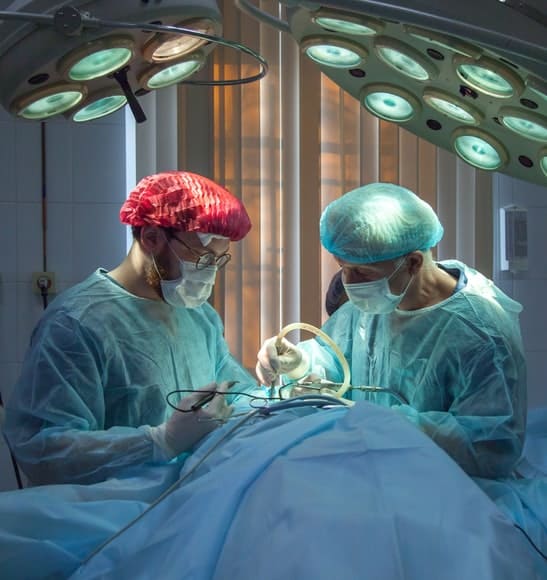
Hassle-Free Remote Medical Access is now possible with Hill Regional Hospital- The Ultimate Emergency Community Health Care Provider
Health care access in rural communities is very much indispensable and inevitable to sound physical as well as mental health. Although rural residents are encountering multiple aspects of access barriers. According to the 1993 National Academies report, Access to Healthcare in America had revealed their definition of access as the appropriate timely utilization of personal health services to attain the perfect best feasible health care outcomes. Moreover, a 2014 Health Panel Report specifically dedicated to rural healthcare access bottom lines the additional associated definitions of the term access supported with instances of measures and strategies that can be employed to establish due access. Now the significant question is how to improve healthcare in rural areas.
On an ideal note, the American citizens must be in a position to conveniently as well as confidently access services consisting of primary and fundamental health care, dental health care, behavioral health care, emergency health care as well as public health services. As per the Health People, 2020 perspectives access to healthcare or emergency medical services in rural areas is significant for:
- All-pervasive physical, social as well as mental health status and condition
- Prevention of Diseases
- Detection, diagnosis as well as associated investigations backed by treatment of illness
- A quality lifestyle and standard of living
- Prevention of preventable deaths
- The approximate life expectancy
Rural residents in the USA quite often witness bottlenecks and hindrances to emergency medical services in rural areas that restrict their ability to obtain and procure the desired care they require. Subsequently in an endeavor to provide rural residents considerable medical access in remote areas, apt rational and suitable health care services must be feasible for sound implementation. These services can be procured in a timely and persistent manner for improving access to health care in rural areas
Even though for the achievement of considerable adequate healthcare services, prompt and remedial emergency medical health care services must be made available as well as easy to be procured in a consistent period. Notwithstanding while an adequate supply and outflow of healthcare services are available in the community there are relative associated other factors and parameters to be considered in the aspects of emergency medical services in rural areas and associated healthcare access with utmost ease. For instance, to procure commendable healthcare access a rural resident must also be equipped with:
- Financial resources to disburse the actual cost expenditure to be paid for these medical and health care access services. These services could be health or dental insurance that is accepted and borne by the provider.
- Means and substantial resources to reach out to the emergency medical services in rural areas and utilize them. These services consist of transportation to services wherein the location could be at any sort of distance and the capability to consider paid time off of work to employ such services.
- There must be enough confidence in their potential capability to interact and communicate with health care professionals and providers especially if the patient is not at all fluent in the English language or possesses poor health literacy. Rural v/s urban ems must be taken into consideration.
- A strong belief and conviction that they can utilize services without sacrificing and have compromising terms on matters related to privacy.
- A concrete trust that they would get commendable and high-end premium quality health care and remote medical access.
Health care professionals and health care research analysts have been delivering a brief outlook about the health care access in rural communities in America consisting of discussion on the significance as well as advantages of healthcare access and the associated hindrances that rural residents encounter and experience. The perception of these research analysts consists of elaborate and detailed information on lack of healthcare in rural areas in general and especially in the Philippines. These factors must also be considered by the rural emergency medical services training grant.
- Barriers, hindrances, and bottlenecks incorporating shortages in the workforce and the current scenario of health insurance.
- The Service of Transportation
- The health literacy index
- The taboo related to conditions in rural mindset in the form of mental health or substance abuse.
Highlights about major fundamental barriers to emergency health care access in rural community areas?
- Distance and Transportation:
- Workforce Shortages:
- Health Insurance Coverage:
- Broadband Access:
- Pathetic health literacy:
- Social Stigma and Privacy Issues:
Distance and Transportation is a massive parameter in considering how to improve healthcare in rural areas. Rural demography is more prone to frequent travels to long distances to procure sound and authentic health care services especially with regards to subspecialist services. This results in a substantial proportion and quantum of burden concerning travel time, cost, and time taken away from the exact destination of the workplace. Moreover, the absence of sound and dependable transportation is the major barrier to taking care of the apt health-related concerns of the rural community. On the other hand, in urban areas, public transit is certainly an alternative for patients to obtain their concerned medical appointments. However, these transportation services are quite often totally absent for health care access in the rural community areas. Residents hailing from rural regions frequently possess more elderly residents who are generally victims of chronic conditions who require many consecutive visits and follow-ups to outpatient health care requirements and necessities. This becomes quite tedious and challenging to remain without available public or private transportation. Hill Regional Hospital delivers quite commendable resources and elaborative information about transportation as well as associated issues for the well-being of rural communities.
Health care workforce shortages influence healthcare emergency medical access, especially in rural regions and communities. This leads to a great lack of health care in rural areas in the Philippines. One yardstick and benchmark of healthcare emergency access in rural community areas is being equipped with a persistent source of care and consideration which relies upon possessing substantial and sufficient healthcare workforce and personnel. Majorly health services researchers debate that assessing healthcare emergency access in rural community areas just by simple conventional provider availability is sustainable in possessing an adequate workforce. Some of the health services research analysts debate that assessing healthcare emergency access in rural community areas by just simply with conventional and conservative measuring providers or yardstick and benchmark availability is not sufficient enough to entirely understand the healthcare emergency access mechanism. Measures and apt benchmarks of non-deployment for instance such as considering rural resident communities who are not capable enough to determine an apt health care medical emergency provider in rural community areas who can further provide assistance to understand a clear vivid picture and perception of whether a substantial healthcare force is available and accessible to rural community residents.
A meager number of healthcare professionals in the rural areas and regions of the United States can limit the desired access to healthcare by restricting the supply of available services. In the year 2021 witnesses approximately 61.47 percent of Primary Care Health Professional Shortage Areas (HPSAs) were located right in rural areas and communities.
Individuals who don't possess health insurance lack access to healthcare emergency services especially in the rural community areas. The Research Health Care Experts in the USA have reported that approximately 9.1 percent of the populace residing in the outskirts of metropolitan statistical areas (MSAs) are not at all equipped with any particular sort of health insurance since 2018, as in comparison with 8.4 percent of the population within MSAs. According to the insurance coverage authorities in America in the past years, 19.9 percent of infants in rural households were not equipped with sound health insurance which was tremendously higher than the 16.8 percent of infants in urban households who did not carry any sort of insurance as compared to their urban counterparts. There is a substantial lack of healthcare in rural areas in the Philippines.
Health insurance affordability is an emerging concern and cropping issue with regards to health care access for rural communities and regions. The healthcare insurance authorities in the USA have been evaluating the modifications and changes taking place in average health insurance marketplace (HIM) plan premiums since the past. The approximate average premiums were found to be higher in rural communities and counties. Moreover, rural counties were more prone to possess only one insurance issuer getting involved in the HIM.
When the utilization of telehealth services was almost ready and started becoming famous and popular and started becoming the trend of the era. At the beginning of 2020 measures were implemented in the wake of the COVID-19 pandemic that augmented this growth. It was indeed unfortunate major areas with a shortage of medical emergency health care access in rural community areas as well as experiencing slow internet speeds, both of which have been the huge massive hindrances and barriers to accessing telehealth services. As compared to their urban counterparts, rural individuals are approximately twice in number as in comparison with regards to the shortage of broadband access.
Health literacy can also become a hindrance while accessing basic healthcare amenities and that too is in the wake of medical emergencies. Health literacy influences a patient's capability to perceive health information as well as instructions delivered by their dedicated healthcare providers. This can be exclusively related to the health care access in rural communities wherein lower educational levels and higher incidences of poverty quite frequently influence residents. Low health literacy can lead to residents being unwilling to seek healthcare owing to fear or frustration about communicating with a healthcare professional. Moreover, migrating the healthcare system can become challenging without having enough health literacy skills.

In rural areas owing to little anonymity, social stigma and taboo, as well as privacy concerns, are more likely to perform as a major bottleneck and hindrances to healthcare emergency access in rural community areas. Rural community residents can possess concerns and issues about seeking care for mental health, substance abuse, sexual health, pregnancy, or even common chronic illnesses owing to unease or privacy matters. The patients' feelings and sentiments might be caused by personal relationships with their healthcare providers or others working in the healthcare facility. Moreover, patients can experience fear or cropping issues about other residents, who are quite often friends, family members, or co-workers who might notice them utilizing services for health conditions that are peculiarly not openly discussed and conversed openly as well as with transparency concerning awareness and health education parameters. These health conditions could be counseling on HIV testing services, co-location or the integration of establishments can assist in easing and relaxing the patient’s concerns. This is the primary reason for procuring health care access in rural community areas.
What is the role of Hill Regional Hospital as a private foundation functioning to improvise healthcare access and the associated reimbursement concerns?
Majorly private foundations like Hill Regional Hospital work to improvise healthcare access in rural community areas by funding transportation services and improving workforce as well as addressing other related factors that impact rural healthcare medical access. Investing in existing safety net providers as well as programs, contributing grants to develop as well as implement innovative healthcare delivery models, and funding research to study policy repercussions as they relate cohesively to rural healthcare emergency access are all instances of actions foundations that can aid the rural healthcare emergency access. Rural emergency medical services training grants can work wonders in reviving the emergency medical services in rural areas.
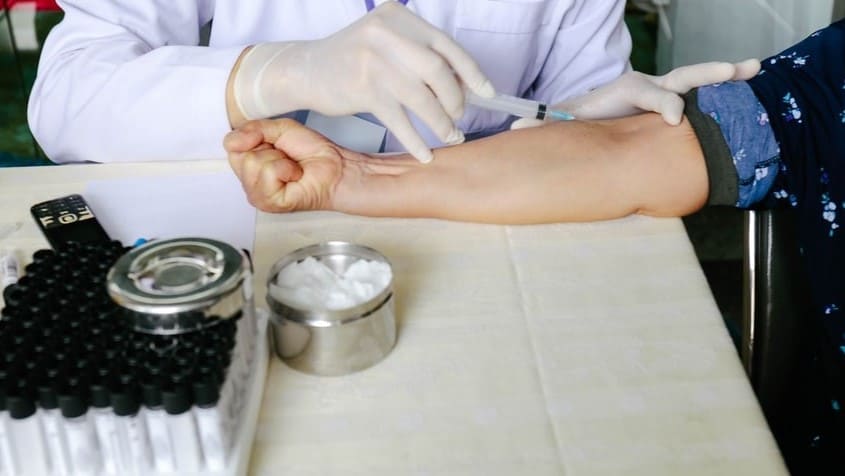
Hill Regional (HRH) Hospital is here to assist all your medical needs with specialists and surgeons trained and experienced in the most advanced treatments. Our highly qualified doctors, nurses, and administrators are dedicated to caring for you with compassion in our state-of-the-art facilities.
Call us on 254-580-8500 to book an appointment with our specialist doctors.